
"Honduras coffee characteristics"
1000 article(s) found

Honduras coffee producing area estate brand history story introduction Honduras coffee bean flavor taste characteristics
The origin story of Honduran coffee dates back to the late 18th century, when Spanish traders introduced coffee plants to the country. It was not until the early 19th century, when Honduras gained independence from Spain, that the Honduran coffee industry really took off. Even after independence, Honduras's coffee industry remained far behind for several reasons.

Introduction of coffee flavor and taste characteristics of Santa Barara Manor in Honduras with slight floral aroma
Honduras declared its independence on September 15, 1821, but was incorporated into the first Mexican Empire in 1822. He joined the Central American Union in 1823 and withdrew from the Central American Union in October 1838 to establish a republic. In 1840, with the support of Guatemalan dictator Rafael Carrera, conservative Francisco Ferreira established a dictatorship. After 1853, freedom in Honduras

The characteristics of coffee beans from Santa Barara Estate in Honduras
Characteristics of coffee beans from Santa Barara Estate, Honduras Flavor Description Introduction Honduran coffee is imported from El Salvador. Coffee production was initially in a state of inexorable heat until the Brazilian frost of 1975. Brazil was hit hard, coffee production plummeted, while Honduras took advantage of the opportunity, coffee production soared from 500,000 bags to 1.8 million bags, and was robbed. from that

Introduction to the quality characteristics of Honduran Coffee Flavor description
Honduras Coffee beans Honduras declared its independence on September 15, 1821, but was incorporated into the first Mexican Empire in 1822. He joined the Central American Union in 1823 and withdrew from the Central American Union in October 1838 to establish a republic. In 1840, with the support of Guatemalan dictator Rafael Carrera, conservative Francisco Ferreira established a dictatorship. After 1853, Hong

Honduran coffee the characteristics of Honduran coffee
Coffee in Honduras is imported from El Salvador. Coffee production in Honduras increased significantly after the Brazilian frost in 1975, more than tripling in 20 years. Coffee producing area in Honduras: as in other places, the coffee grade in Honduras depends on altitude: coffee grown at 700-1000 meters above sea level is medium, 1000-1000 above sea level.
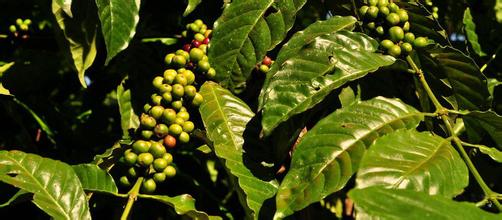
Introduction of Flavor characteristics and roasting degree of specially selected Highland Coffee beans in Coffee producing area of Honduras
Flavor and taste characteristics: good flavor, rich and mellow, suitable for mixed drinking. Honduras is located in the north of Central America, facing the Caribbean Sea to the north, the Gulf of Fonseca in the Pacific Ocean to the south, Nicaragua and El Salvador to the east and south, and Guatemala to the west, mostly mountains and plateaus. It has a tropical climate, mild temperature and abundant rainfall, so it is an ideal place for coffee growth. Honduras

Characteristics of coffee beans in Honduras introduction to San Juan Xido producing area
High-quality coffee in Honduras uses water washing to deal with coffee beans, usually after soaking, when the defective fruit will surface, it can be discarded first. Then put the good fruit into the fruit peeling machine and peel off the peel with the rotating force of the machine. Peeled fruits are screened by machines to select fruits of high quality. Usually the bigger the fruit.

Taste characteristics of Highland Coffee selected by Honduras San Juan Theodore
Honduran coffee has a rich and mellow taste, taste is not astringent, not sour, mellow and aroma are very high, quite personality. Honduran coffee can lead to multiple levels of flavor depending on the degree of roasting. Moderate baking can maximize the sweetness of beans, while deep baking increases bitterness, but sweetness does not disappear. Generally speaking, medium baking tastes best

What are the characteristics of Honduran coffee? The difference between Honduras and Guatemala
Professional coffee knowledge exchange more information about coffee beans Please follow the coffee workshop (Wechat official account cafe_style) Honduran coffee seems strange to many coffee drinkers. When it comes to coffee production, the geographical conditions of Honduras are no less than those of neighboring coffee-producing countries such as Guatemala and Nicaragua. But previously, due to the handling and transportation of raw beans in Honduras,

Introduction to the Flavor and Taste of Coffee beans in Honduras introduction to the Variety characteristics of Manor Origin
Honduran coffee beans do not have very distinct characteristics, but the overall taste is rich and balanced is its biggest feature. In detail, it has a medium or shallow acidity, which is obvious but not strong. Sometimes with a slight floral or fruity aroma (generally speaking, beans from different producing areas and at different elevations have different flavors) slightly bitter

Introduction to the flavor and taste characteristics of Honduran manor coffee with rich and balanced taste
From its independence in 1821 to 1978, Honduras has had 139 coups, making it one of the countries with the most frequent coups in Latin America. Ramon Bilda Morales of the Liberal Party won the election in 1957 as president. Oswald Lopez Arellano, commander of the armed forces, launched a coup instigated by the United States in 1963, overthrew the Morales regime, and was elected general in 1965.
Flavor and taste characteristics of Honduran coffee beans in America introduction to the characteristics of Shirley Coffee Bean barrel treatment
Honduras is located in the north of Central America, facing the Caribbean Sea to the north, the Gulf of Fonseca in the Pacific Ocean to the south, Nicaragua and El Salvador to the east and south, and Guatemala to the west, mostly mountains and plateaus. It has a tropical climate, mild temperature and abundant rainfall, so it is an ideal place for coffee growth. Two kinds of quality produced in Honduras

Introduction of San Juan Coffee Manor in Honduras: understanding the characteristics of Honduran Coffee
Professional coffee knowledge exchange more coffee bean information Please follow the coffee workshop (Wechat official account cafe_style) speaking of Honduran coffee, many people may feel very strange. Is there coffee in Honduras? In my impression, this is one of the most restless countries in China and the United States, and the current political situation is still very unstable. The only thing that can be connected with it is the world-famous diving victory.

Copan Coffee cultivation in six Coffee producing areas in Honduras characteristics of Historical stories
For more information about coffee beans, please follow the Coffee Workshop (official Wechat account cafe_style) Honduras is located in the north of Central America, bordered by the Caribbean Sea to the north, the Gulf of Fonseca in the Pacific Ocean to the south, Nicaragua and El Salvador to the east and south, and Guatemala to the west, mostly by mountains and plateaus. It has a tropical climate, mild temperature and abundant rainfall. It is coffee.

What are the characteristics of Honduran coffee beans? how much is Honduran coffee?
For the exchange of professional baristas, please pay attention to the coffee workshop (Wechat official account cafe_style) what are the characteristics of Honduran coffee beans? how much is Honduran coffee OPALACA Opalaca is located in the southern region of Santa Barbara, as well as Intibuka and Intibuca and Lempira. Named after the Opalaca Mountains that stretch through the area. Altitude: 1100-1500
Flavor characteristics of Honduran Coffee
You may have heard of the Honduran Blue Hole and the famous Mayan civilization, but you may feel strange about the fragrance of Honduran coffee. Today, let's get to know the Honduran coffee bar and talk about the coffee in Central America. You may immediately think of these coffee producing countries such as Guatemala, Costa Rica and Panama. But in Central America, El Salvador,

Coffee Flavor characteristics and Origin Information of Saint Vincent processing Plant in Honduras, the largest coffee producer in Central America
For the exchange of professional baristas, please follow the coffee workshop (official Wechat account cafe_style) Product name: San Vincent processing Plant, Honduras Flower Mero small Farmer washing (Honduras San Vicente Juan Contreras Miraflores) production area: Santa Barbara (Santa Barbara) Pena Blanca small town processing plant: St. Vincent processing Plant (Beneficio San)

Description of flavor and aroma characteristics of San Juan Xidopone species of deep-baked cooked beans in washing in Honduras
Honduras produces two kinds of coffee of very good quality, which are highly respected by coffee lovers. One is the highland coffee growing at 10001500 meters above sea level, and the other is the selected highland coffee growing at 15002000 meters above sea level, which represents the highest level in Honduras. Most of the Honduran coffee is exported to the United States and Germany. The granules of coffee beans in Honduras are larger.
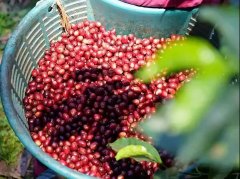
According to the characteristics of Honduran coffee beans, is Honduran Shirley barrel fermented coffee beans good?
Honduras, whose full name is the Republic of Honduras, is a mountainous country in Central America. Bordering Guatemala, El Salvador and Nicaragua, it lies between the Pacific Ocean and the Caribbean Sea, with a coastline. This used to be where the Indians lived. Columbus landed here in 1502 and named it Honduras (meaning abyss). It was colonized by Spain at the beginning of the 16th century. Proclamation on September 15, 1821

The overall balanced taste of Santa Barara Manor Coffee in Honduras is characterized by the characteristics of the variety producing area.
Honduras is a mountainous country in Central and North America, with a population of more than 8.3 million and an area of about 112000 square kilometers. Located in the north of Central America. It is bordered by the Caribbean Sea to the north, the Gulf of Fonseca in the Pacific Ocean to the south, Nicaragua and El Salvador to the east and south, and Guatemala to the west. More than 3/4 of the territory are mountains and plateaus. The mountains extend from west to east, inland is a lava plateau, mountainous